

How Pregnancy and Postpartum Affect UTI Risk (And What You Can Actually Do About It)
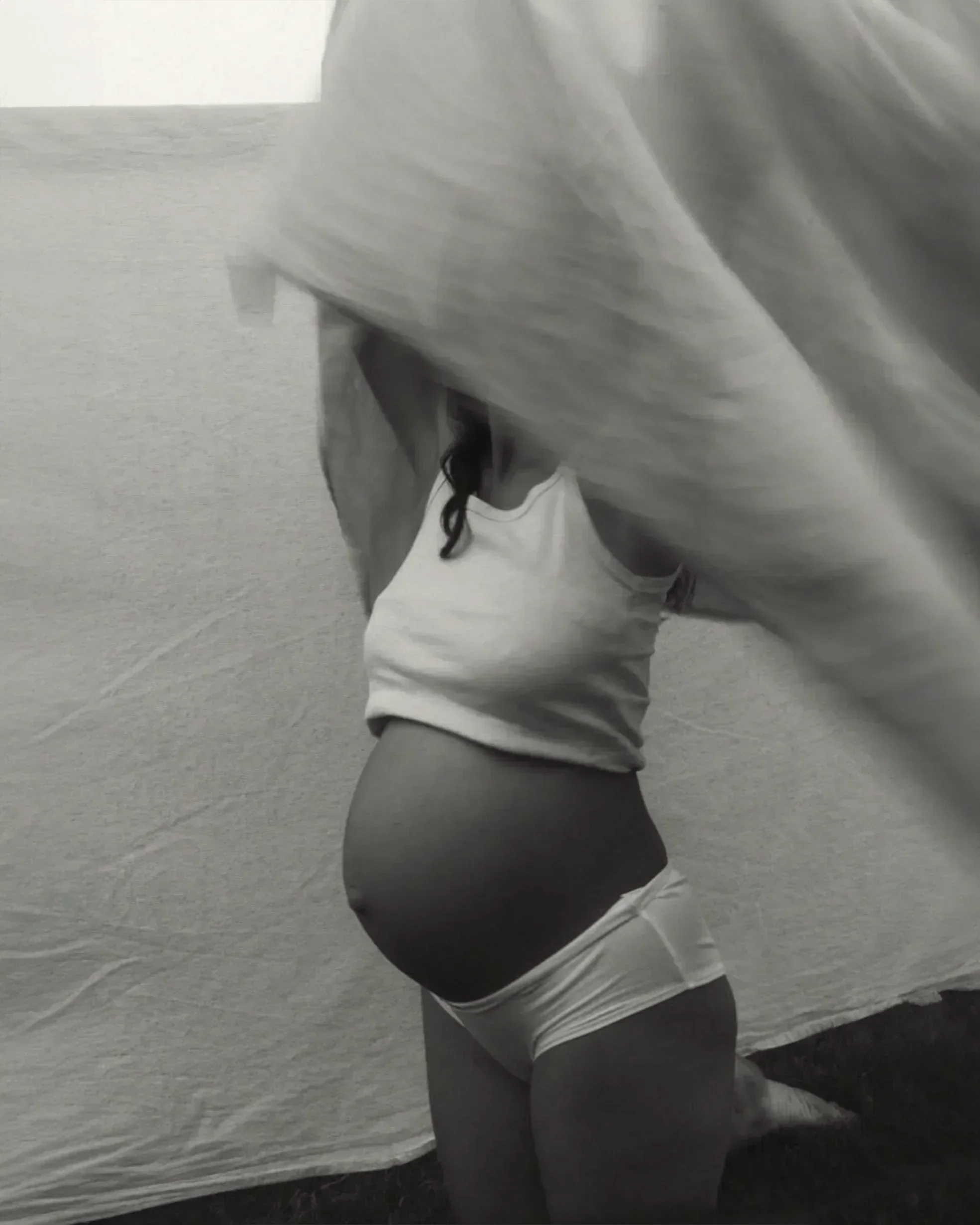
If you're pregnant, trying to get pregnant, or recently had a baby, here's something nobody probably warned you about: your risk of getting UTIs just skyrocketed.
Pregnancy and the postpartum period create the perfect storm for urinary tract infections. Your body is doing incredible things—growing a human, shifting organs around, flooding your system with hormones—but all of that also makes you significantly more vulnerable to bladder infections.
And here's the kicker: UTIs during pregnancy aren't just annoying. They can be dangerous if left untreated, potentially leading to kidney infections and complications for both you and your baby.
So let's talk about why pregnancy makes you a UTI magnet, what changes postpartum, and—most importantly—what you can actually do to protect yourself.
Why Pregnancy Turns Your Bladder Into a Bacterial Playground
Pregnancy does a number on your urinary system. Here's what's happening:
🐱 1. Progesterone Relaxes Everything (Including Your Urinary Tract)
During pregnancy, your body floods with progesterone—a hormone that relaxes smooth muscle tissue to accommodate your growing baby.
Great for your uterus. Terrible for your bladder and ureters (the tubes connecting your kidneys to your bladder).
When these muscles relax, urine flow slows down. Instead of efficiently flushing bacteria out, urine sits around longer, giving bacteria time to multiply and colonize your bladder.
Translation: Slower urine flow = more time for E. coli to set up shop.
🐱 2. Your Growing Uterus Compresses Your Bladder
As your uterus expands, it puts pressure on your bladder and ureters. This can:
- Prevent complete bladder emptying (leaving residual urine where bacteria thrive)
- Create "kinks" in the ureters that further slow urine flow
- Make it physically harder to fully empty your bladder when you pee
By the third trimester, your bladder is basically a compressed accordion with stagnant urine pooling at the bottom.
🐱 3. Hormonal Changes Alter Your Urinary Tract Lining
Pregnancy hormones change the pH of your urine and alter the lining of your urinary tract, making it easier for bacteria to adhere to bladder walls.
Remember how we talked about E. coli using little hooks (fimbriae) to latch onto your bladder? Pregnancy makes your bladder wall stickier—like Velcro instead of Teflon.
🐱 4. Your Immune System Is Partially Suppressed
Your immune system naturally downregulates during pregnancy so your body doesn't reject the baby (who is, technically, foreign tissue).
This is amazing for keeping your pregnancy viable. Less amazing for fighting off bladder infections.
🐱 5. Increased Blood Volume and Kidney Function
During pregnancy, your blood volume increases by about 50%, and your kidneys work harder to filter waste for both you and your baby.
This means more urine production, but also more glucose in your urine (a food source for bacteria) and changes in urine concentration that can make infections more likely.
The result: Pregnant women are up to 8% more likely to develop UTIs compared to non-pregnant women. And if left untreated, 20-40% of UTIs during pregnancy progress to kidney infections (pyelonephritis), which can cause preterm labor and low birth weight.
The Postpartum UTI Risk: Why It Doesn't End After Delivery
You'd think once the baby is out, your UTI risk would drop. Nope.
The postpartum period brings its own set of challenges:
🐾 1. Trauma from Delivery
Whether you had a vaginal birth or C-section, your pelvic floor and urinary tract have been through a lot.
Vaginal delivery:
- Swelling and bruising around the urethra
- Pelvic floor muscle trauma
- Potential nerve damage affecting bladder control
C-section:
- Catheter use during surgery (catheters introduce bacteria)
- Abdominal trauma affecting bladder function
🐾 2. Catheter Use
Many women have a urinary catheter during labor (especially with epidurals) or after a C-section.
Catheters are a direct highway for bacteria into your bladder. Even with sterile technique, catheter use significantly increases UTI risk.
🐾 3. Difficulty Urinating After Delivery
Postpartum, many women experience:
- Reduced sensation (you don't feel when you need to pee)
- Painful urination (from swelling, tearing, or stitches)
- Incomplete bladder emptying (residual urine = bacterial breeding ground)
Some women avoid peeing because it hurts, which makes everything worse.
🐾 4. Hormonal Shifts
After delivery, estrogen levels plummet. Low estrogen affects:
- Urinary tract tissue health (thinner, more vulnerable to infection)
- Vaginal pH (less acidic = easier for bad bacteria to thrive)
- Immune function in the urogenital area
🐾 5. You're Exhausted and Not Prioritizing Yourself
Let's be real: you're sleep-deprived, overwhelmed, and focused entirely on keeping a tiny human alive.
You're probably:
- Not drinking enough water
- Holding your pee because you finally got the baby to sleep
- Not eating well
- Stressed out of your mind
All of this weakens your immune system and creates the perfect conditions for a UTI.
The Dangers of UTIs During Pregnancy
UTIs during pregnancy aren't just uncomfortable—they can be legitimately dangerous.
⚠️ Untreated UTIs can lead to:
Kidney Infections (Pyelonephritis):
- Occurs in 20-40% of untreated UTIs during pregnancy
- Can cause high fever, back pain, nausea, vomiting
- Increases risk of preterm labor and low birth weight
Preterm Labor:
- Infections trigger inflammatory responses that can induce labor
Low Birth Weight:
- Babies born to mothers with untreated UTIs are more likely to be underweight
Sepsis:
- In rare cases, untreated kidney infections can lead to life-threatening bloodstream infections
This is why prenatal care includes routine urine testing. If you're pregnant and have any UTI symptoms—burning, urgency, frequency, back pain—call your doctor immediately.
How to Prevent UTIs During Pregnancy and Postpartum
Okay, so pregnancy and postpartum are high-risk times. What can you actually do?
🐱 1. Stay Hydrated (Like, Really Hydrated)
You need more water during pregnancy to support increased blood volume and amniotic fluid production.
Aim for 8-12 glasses of water daily. This helps flush bacteria out of your urinary tract before they can multiply.
Pro tip: If you're nauseous (hello, first trimester), sip water throughout the day instead of chugging large amounts at once.
🐱 2. Pee Frequently (Don't Hold It)
I know it's annoying to pee every 20 minutes, but holding your urine gives bacteria time to multiply.
Pee when you feel the urge. And take your time—make sure you're fully emptying your bladder.
Postpartum tip: Even if you don't feel the urge (nerve damage can reduce sensation), set a timer and go every 2-3 hours.
🐱 3. Empty Your Bladder Completely
During pregnancy and postpartum, it's harder to fully empty your bladder.
Try these techniques:
- Lean forward while sitting on the toilet (helps gravity do its thing)
- Double void: pee, wait 30 seconds, then try to pee again
- Gently rock side to side on the toilet to help release residual urine
🐱 4. Wipe Front to Back (Always)
This isn't new advice, but it's especially important during pregnancy and postpartum when your immune system is compromised.
Wiping back to front drags E. coli from your anal area toward your urethra. Don't do it.
🐱 5. Pee After Sex
Yes, even during pregnancy (if you're still having sex—no judgment either way).
Sexual activity can introduce bacteria into the urethra. Peeing afterward flushes them out.
🐱 6. Wear Breathable Cotton Underwear
Tight synthetic underwear traps moisture and heat, creating an environment where bacteria thrive.
Opt for cotton underwear and loose-fitting pants to keep the area dry and well-ventilated.
🐱 7. Avoid Irritants
Skip:
- Douches (they disrupt your vaginal microbiome)
- Scented soaps, bubble baths, or feminine hygiene sprays
- Harsh laundry detergents on underwear
Your vagina and urinary tract don't need "freshening." They're self-cleaning.
🐱 8. Support Your Vaginal Microbiome
A healthy vaginal microbiome—dominated by Lactobacillus bacteria—protects against UTIs by maintaining an acidic pH that E. coli can't thrive in.
How to support it:
- Eat probiotic-rich foods (yogurt, kefir, sauerkraut, kimchi)
- Consider a vaginal probiotic supplement (look for Lactobacillus rhamnosus and L. reuteri strains)
- Avoid unnecessary antibiotics (which kill good bacteria along with bad)
🐱 9. Use UTI Biome Shield for Multi-Layered Protection
Here's where Good Kitty's UTI Biome Shield becomes especially valuable during pregnancy and postpartum.
Why it works:
✔️ 100% bioavailable cranberry PACs (36mg) – Blocks E. coli from adhering to your bladder wall
✔️ D-mannose – Traps bacteria so they get flushed out when you pee
✔️ Vitamin D3 – Supports immune function and helps repair bladder tissue (both compromised during pregnancy/postpartum)
✔️ Zinc picolinate – Strengthens immune response
Safe during pregnancy and breastfeeding (always check with your doctor before starting any supplement).
How to use:
- Daily prevention: 1 capsule daily
- High-risk times (postpartum, after catheter removal): 2 capsules daily for the first few weeks
When to Call Your Doctor
Seek medical attention immediately if you experience:
🚨 Burning or pain when urinating
🚨 Frequent, urgent need to pee (more than usual for pregnancy)
🚨 Blood in your urine
🚨 Lower abdominal or pelvic pain
🚨 Back pain (especially on one side—sign of kidney infection)
🚨 Fever or chills
🚨 Nausea or vomiting
During pregnancy, UTIs need to be treated with antibiotics. Don't try to "tough it out" or rely solely on home remedies. Your doctor will prescribe pregnancy-safe antibiotics.
The Bottom Line
Pregnancy and postpartum are beautiful, miraculous, exhausting times. They're also high-risk periods for UTIs due to hormonal changes, anatomical shifts, immune suppression, and the physical trauma of delivery.
But you're not powerless.
By: ✔️ Staying hydrated
✔️ Peeing frequently and completely
✔️ Supporting your vaginal microbiome
✔️ Using evidence-based prevention (like UTI Biome Shield)
✔️ Watching for symptoms and treating infections early
You can significantly reduce your risk and protect both your health and your baby's.
Your body is doing incredible work. Give it the support it needs.
— Meghan Carozza
Co-Founder & Chief Experience Officer, Good Kitty Co.
References:
- American College of Obstetricians and Gynecologists. "Urinary Tract Infections in Pregnancy."
- Journal of Maternal-Fetal & Neonatal Medicine. "UTI risk factors during pregnancy and postpartum."
- Obstetrics & Gynecology. "Maternal and neonatal outcomes of untreated UTIs in pregnancy."
Note: Always consult your healthcare provider before starting any supplement during pregnancy or while breastfeeding.
Read more
The Estrobolome: Your Gut Bacteria Are Running Your Hormones (And They Need a Raise) Estrogen 101 What’s Your Gut Got to Do With It? Meet Your Estrobolome Trouble in Paradise What Causes Dysbiosi...

Here's a fun fact nobody tells you: the period products marketed as "natural," "organic," and "non-toxic" might be poisoning you.





Leave a comment
All comments are moderated before being published.
This site is protected by hCaptcha and the hCaptcha Privacy Policy and Terms of Service apply.