Can Condoms Cause a UTI? 3 Condom Ingredients That Increase the Risk of UTIs
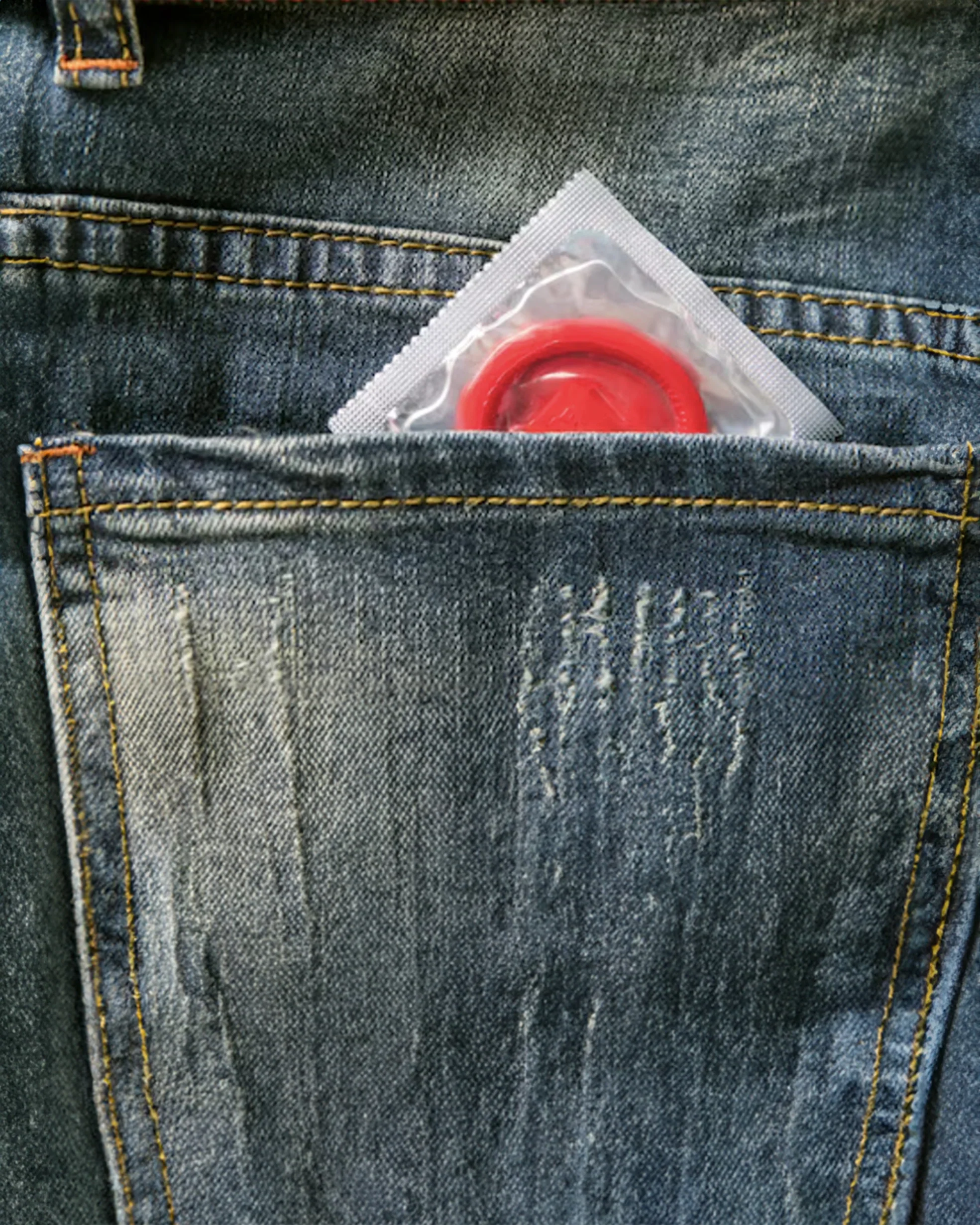
Let’s clear this up first: condoms do not directly cause UTIs.
A urinary tract infection happens when bacteria—most commonly E. coli—enter the urethra and travel up toward the bladder. But while condoms don’t introduce bacteria, some types can make your urinary tissues more vulnerable.
If you deal with recurrent UTIs or always seem to get one after sex, the kind of condom you’re using may play a bigger role than you think.
Below, we break down the three condom factors most commonly linked to UTIs—and what to choose instead.
1. Condoms With Spermicide (Especially Nonoxynol-9)
Spermicides are designed to kill sperm, but they also irritate the delicate tissues around the urethra—your body’s main entry point for UTI-causing bacteria.
Spermicide can:
-
Disrupt healthy vaginal bacteria like Lactobacillus
-
Cause dryness or micro-irritation
-
Lower vaginal acidity (your natural defense system)
When the protective vaginal ecosystem is disrupted, bacteria can multiply more easily and migrate toward the urinary tract.
If you get UTIs frequently, avoid condoms labeled “with spermicide.”
2. Condoms With Added Fragrances, Flavors, or “Special Effects”
It sounds fun until your urinary tract disagrees.
Common irritants include:
-
Fragrance
-
Flavors
-
Dyes
-
Warming or tingling agents
-
Certain lubricants
These additives don’t cause UTIs directly, but they can inflame the urethral opening or irritate vaginal tissue—making it easier for bacteria to take hold.
If you're sensitive or prone to UTIs, keep it simple: choose plain, additive-free condoms.
3. Unlubricated Condoms (AKA Friction Factories)
Friction is one of the fastest ways to disrupt your intimate health.
Unlubricated condoms can cause:
-
Microtears near the urethra
-
Irritation and inflammation
-
Tissue dryness
-
Increased bacterial entry
Sex should never feel like sandpaper—and your urinary tract agrees.
If you prefer unlubricated condoms, add a gentle, body-safe water-based lubricant to reduce irritation and protect the urethra.
Other Common UTI Triggers to Know
Even if condoms aren’t the culprit, these factors can increase your risk:
-
Not drinking enough water
-
Holding in urine
-
Sex without enough lubrication
-
Menopause (due to low estrogen + tissue changes)
-
Certain birth control methods (like diaphragms)
-
Diabetes or immune-related conditions
-
Antibiotic overuse (alters good vaginal bacteria)
-
Kidney stones or any issue that blocks urine flow
Understanding your personal risk factors is key to preventing recurrent infections.
How to Reduce UTI Risk During Sex
Protecting your urinary tract is easier than you think:
✔ Pee before and after sex
✔ Use adequate lubrication
✔ Stay hydrated
✔ Avoid harsh soaps or vaginal cleansing products
✔ Wear breathable underwear
✔ Clean toys between uses (especially after anal play)
✔ Talk to your doctor if UTIs happen after sex—prevention options exist
These small habits dramatically lower your risk of post-sex infections.
When to See a Medical Professional
Contact your healthcare provider if you experience:
-
Recurrent UTIs (3+ per year)
-
UTIs that happen after sex
-
Persistent burning or urinary urgency
-
Symptoms that don’t improve within 24–48 hours
You may benefit from:
-
Post-sex prophylactic antibiotics
-
Vaginal estrogen (for peri/menopausal women)
-
A urinary health supplement
-
A review of your birth control method
No one should suffer through chronic UTIs alone—there are solutions.
The Bottom Line
Condoms don’t cause UTIs, but certain ingredients and lack of lubrication can increase your risk. Choosing condoms without spermicide or additives—and ensuring you have enough moisture—can significantly reduce irritation and protect your urinary tract.
A calm, healthy urinary tract is a foundational part of sexual wellness. You deserve intimacy that feels good during and after.