UTI-Blocking PACs From Cranberry: Why Your Juice Habit Isn't Cutting It
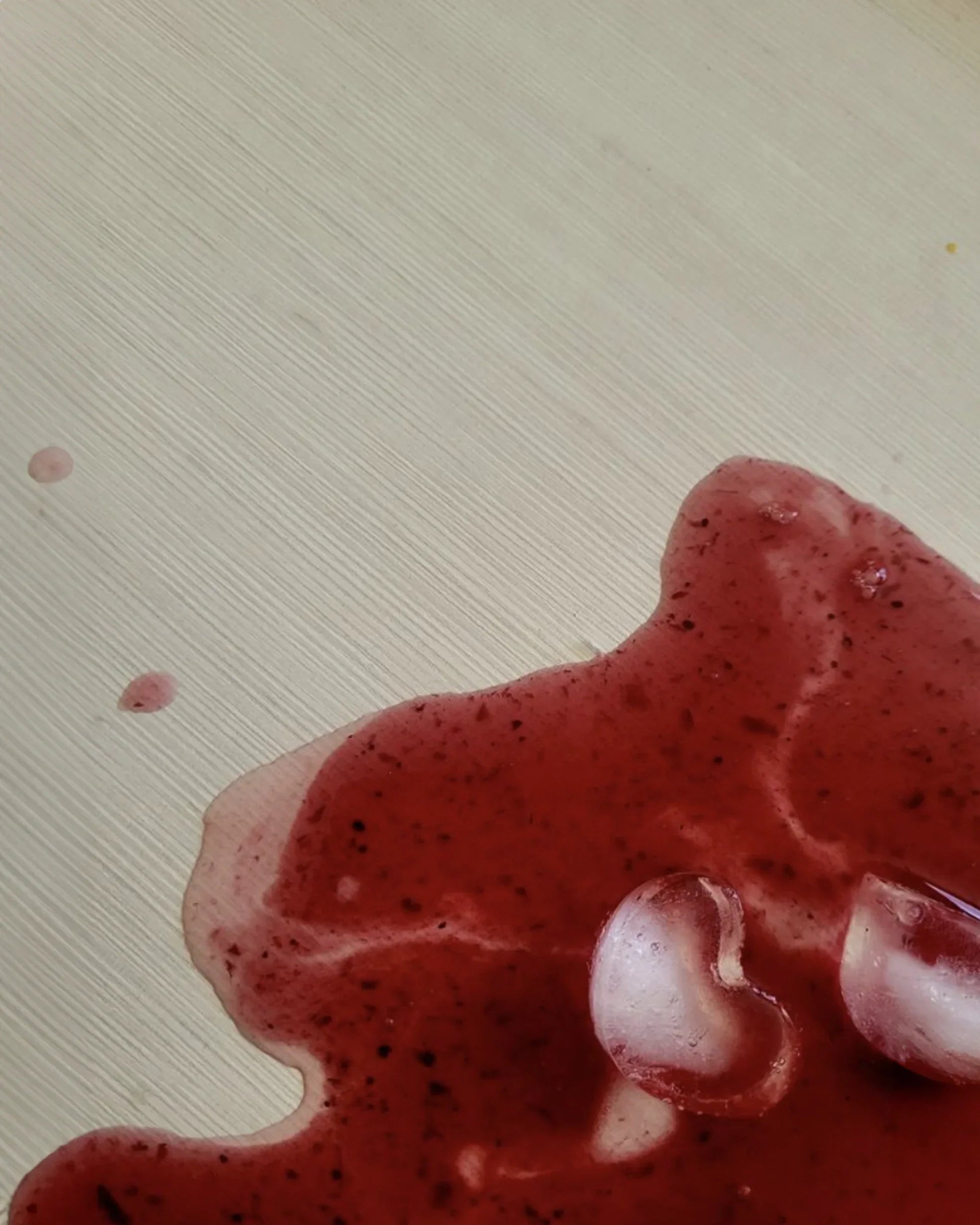
Let's address the elephant in the room—or more accurately, the Ocean Spray bottle in your fridge.
When you get a UTI, someone inevitably tells you: "Just drink cranberry juice!"
And you do. You chug that tart, sugary nonsense like it's going to save you. You convince yourself it's working because, I don't know, it feels medicinal?
Here's the truth: Cranberry juice is not the hero you think it is.
But cranberries themselves? The active compounds inside them called PACs (proanthocyanidins)? Those are actually legit. They're backed by decades of research, and they genuinely work to prevent UTIs.
The problem is that cranberry juice barely contains any of them.
Let me explain.
What Are PACs and Why Should You Care?
PACs—short for proanthocyanidins—are powerful plant compounds found in cranberries. But not just any PACs. We're talking about a very specific kind: A-type PACs.
These little molecular warriors have a unique superpower: they prevent E. coli bacteria from sticking to your bladder wall.
Here's how it works:
- E. coli bacteria (the ones responsible for 80-90% of UTIs) have tiny hair-like projections called fimbriae that act like grappling hooks, latching onto your urinary tract lining.
- A-type PACs bind to those fimbriae and essentially say, "Not today, Satan." They block the bacteria from attaching, so instead of setting up camp in your bladder, the bacteria get flushed out when you pee.
It's a physical prevention mechanism, not a chemical one. Which means it doesn't contribute to antibiotic resistance, doesn't wreck your microbiome, and doesn't come with a laundry list of side effects.
Pretty cool, right?
So Why Doesn't Cranberry Juice Work?
Because cranberry juice doesn't contain nearly enough PACs to actually do anything.
According to research from Tufts University, you'd need to drink 32 ounces of pure, unsweetened cranberry juice daily to reach the minimum effective dose of PACs—which is around 36mg.
Let me repeat that: 32 ounces. That's a quart of cranberry juice. Every. Single. Day.
And we're not talking about the sweetened cocktail version from the grocery store. We're talking about the stuff that tastes like battery acid mixed with regret. The kind that makes your face scrunch up like you've been personally attacked.
Plus, most commercial cranberry juices are loaded with sugar to make them palatable, which is its own problem. Sugar feeds bad bacteria. You know, the ones you're trying to get rid of.
So you're basically chugging a gallon of tart Kool-Aid, hoping it'll save you, while simultaneously feeding the infection you're trying to prevent.
Not ideal.
The Five Things That Make a Cranberry Supplement Actually Work
If cranberry juice is out, what's in?
High-quality cranberry supplements. But not all of them. In fact, most of them are garbage.
Here's what separates the real deal from the snake oil:
1. The Right Species: Vaccinium macrocarpon
Not all cranberries are created equal. The North American cranberry (Vaccinium macrocarpon) is the only species that contains the specific A-type PACs you need for UTI prevention.
If a supplement doesn't specify this species on the label, it's probably using cheaper, less effective berry extracts. Pass.
2. Standardized PAC Content
A good supplement should tell you exactly how many milligrams of PACs are in each dose. If the label just says "cranberry extract" without specifying PAC content, you have no idea what you're getting.
Research shows you need at least 36mg of bioavailable PACs per day to see anti-adhesion effects. More is better.
3. Measurable Anti-Adhesion Activity
It's not enough to just contain PACs. The supplement needs to have been tested in a lab to confirm that those PACs actually prevent bacteria from sticking to bladder cells.
If the product doesn't mention anti-adhesion activity, it's probably never been tested. Which means you're gambling.
4. Product-Specific Clinical Studies
Here's where it gets real: Does the actual product you're buying have clinical research backing it up?
Not "cranberries in general." Not "PACs from another brand's study." That specific formulation.
This is rare. But it's the gold standard.
5. Regulatory Recognition
If a supplement has earned health claims from the FDA, Health Canada, or the European Food Safety Authority, it means the science has been independently reviewed and validated.
It's not a guarantee, but it's a damn good sign.
The Bioavailability Problem (And Why Most Supplements Fail)
Here's the catch: Even if a supplement contains enough PACs, your body might not be able to absorb them.
PACs are large, complex molecules. They're hard to break down in your digestive system. Most traditional cranberry supplements have a bioavailability rate of less than 20%, which means 80% of what you're swallowing is getting flushed out before it ever reaches your bladder.
That's why dosage alone isn't enough. You need enhanced bioavailability technology to ensure those PACs actually make it into your urinary tract where they can do their job.
Modern supplement science has developed a few tricks to improve this:
- Micronization: Reducing particle size so PACs are easier to absorb
- Liposomal delivery: Wrapping PACs in fat molecules that your body absorbs more easily
- Enteric coating: Protecting PACs from stomach acid so they survive the journey to your intestines
These technologies can increase bioavailability by 2-5 times compared to standard supplements.
UTI Biome Shield: 100% Bioavailable PACs (Because We're Not Messing Around)
After my 13th UTI in 2014, I wasn't interested in half-measures. I wanted something that actually worked.
That's why we developed UTI Biome Shield with two proprietary technologies:
PACphenol™: Revolutionary Bioavailable PACs
Our formula delivers 72mg of A-type PACs with 100% bioavailability. Not 20%. Not 50%. One hundred percent.
That means every milligram you take makes it to your urinary tract. No waste. No guessing.
We also included complementary polyphenols that work alongside PACs to enhance their protective effects. It's not just about blocking bacteria—it's about creating an environment where they don't want to stick around in the first place.
BioblocD3™: Multi-Mechanism Defense
Because PACs alone, while powerful, aren't the whole story. UTI Biome Shield also includes:
- D-mannose: A natural sugar that binds to E. coli fimbriae, trapping bacteria so they get flushed out when you pee
- Vitamin D3 (from lichen): Supports immune function and helps repair bladder tissue
- Zinc picolinate: A highly bioavailable form of zinc that strengthens your immune response
Together, these ingredients create a multi-layered defense system that prevents UTIs from multiple angles.
How Fast Does It Work?
With standard cranberry supplements, you're looking at 24-48 hours before you see any anti-adhesion effects.
With UTI Biome Shield's enhanced bioavailability? Laboratory studies show measurable protection within 6 hours of the first dose.
You can take it daily for consistent prevention, or take two capsules before high-risk activities (like sex or travel) for targeted protection.
The Bottom Line
Cranberry juice is not a UTI cure. It's expensive pee with a marketing budget.
But cranberry PACs—the right kind, in the right dose, with the right bioavailability—are one of the most effective non-antibiotic ways to prevent UTIs.
If you're serious about breaking the UTI cycle, skip the juice aisle and invest in a supplement that's actually been designed to work.
Your bladder (and your taste buds) will thank you.
— Meghan Carozza
Co-Founder & Chief Experience Officer, Good Kitty Co.
References:
- Howell, A.B., et al. "A-type cranberry proanthocyanidins and uropathogenic bacterial anti-adhesion activity." Phytochemistry. 2005.
- Gupta, K., et al. "Cranberry products inhibit adherence of P-fimbriated Escherichia coli to primary cultured bladder and vaginal epithelial cells." Journal of Urology. 2017.
- Blumberg, J.B., et al. "Cranberries and their bioactive constituents in human health." Advances in Nutrition. 2016.
Read more

Sex is a common trigger of UTIs, so more sex, more risk of UTIs. Also, UTI's are not STDs (sexually transmitted) so you can't pass this back and forth from your partner like chlamydia.

How to buy the best UTI supplements : Purchasing Insights into the Urinary Tract Health Supplement Market.