When I was 31, I had just given birth to my first child. I was nervous, exhausted, and producing enough milk to feed a village, which she demanded most nights. She was a hungry baby and not a great sleeper, which meant I wasn't a good sleeper either. And in the middle of all of that, I started getting UTIs again.
I had been a recurrent UTI sufferer before pregnancy. I knew the burn, the urgency, the dread of every trip to urgent care. What I didn't know was that postpartum was about to make it worse.
I ended up on antibiotics while breastfeeding my newborn. Nobody could really explain to me why my body had become more vulnerable, just that it had, and that I needed another round, and another. I hated swallowing those pills knowing the medication was reaching her through my milk, even when I was assured it was safe. The "safe" part wasn't the issue. The "again, already, why is this happening" part was.
After my second child, something else happened that connected the dots. I was in a trampoline class and I peed myself. Not a little. Enough that I had to stop. And when I started looking into why, I learned about pelvic floor dysfunction, which led me into a longer education about how labor and delivery change the muscles that control urination, which led me to understand why I had been getting UTIs more often postpartum.
The pelvic floor and the urinary tract are connected. The same muscles that hold your urethra closed during a trampoline class also help you fully empty your bladder. When those muscles are stretched, weakened, or temporarily uncoordinated after birth, both functions suffer. And one of the consequences is that residual urine sits longer in the bladder, which gives bacteria more time to multiply, which means more UTIs.
Nobody told me any of this. Not at my postpartum checkups. Not at any of the urgent care visits. Not in the books. I figured it out years later, after I'd built a women's health company specifically because I was tired of figuring this stuff out alone.
This is the article I needed at 31. If you're a new mother dealing with pee pain, recurrent UTIs, or wondering why your body suddenly doesn't work the way it used to, here's what's actually going on.

Why Peeing Hurts After Giving Birth
Your body just delivered a human, and the urinary system is one of the systems most affected by labor and delivery. Several things can contribute to pain or difficulty urinating in the days after birth.
Pressure from the baby's exit can temporarily reduce bladder sensation, sometimes to the point of mild paralysis that takes a day or two to come back online. Anesthesia, if you had any, can dull bladder sensitivity for a window after delivery. Swelling in the perineum makes everything feel different and often worse before it starts feeling better.
If you tore during delivery or had an episiotomy, urine coming into contact with healing tissue stings sharply. This is normal. A peri bottle (a small squirt bottle of warm water you use while you pee) can dilute the urine on contact and significantly reduce the burn. Most postpartum hospital discharge kits include one. If yours didn't, they're worth ordering.
If you had a catheter, your urethra is mildly irritated from it, which makes the first few times peeing afterward uncomfortable. This usually fades within a day or two.
There's also a psychological piece. After birth, the idea of peeing can be genuinely scary. Tensing up makes everything harder. Most women find it easier to pee in the shower, with the water running, or after sitting on the toilet for a few minutes longer than feels reasonable. None of this is unusual.
How Long Postpartum Pee Pain Should Last
The general rule: discomfort should improve, not get worse, with each passing day.
After a vaginal birth, the worst of the urinary discomfort usually passes within two to three days. Soreness in the perineum can take three to six weeks to fully resolve, but the specific pain associated with peeing should decrease daily as healing progresses.
After a C-section, postpartum urinary pain can be more pronounced because catheters are routinely used during cesarean delivery. Catheter-related soreness usually clears within 24 to 48 hours of removal. If you also pushed before transitioning to a C-section, you may experience perineal soreness on top of catheter discomfort.
What's not normal: pain that intensifies after the first few days, fever, urgency that doesn't ease up, or urine that looks or smells different than usual. Those are signs of a postpartum UTI.
The Postpartum UTI Symptoms to Watch For
Postpartum UTIs are urinary tract infections that develop in the days or weeks after birth. They're slightly more common after C-sections, largely because of routine catheter use during cesarean delivery. Catheters can introduce bacteria into the urinary tract, which then attach to the bladder wall and cause infection.
Symptoms that suggest a UTI rather than normal healing:
- A burning sensation or sharp pain when you pee that doesn't improve over time, or that gets worse after a few days of healing.
- Pressure or sharp pain in the lower abdomen that isn't related to uterine cramping or afterpains.
- A frequent, urgent need to pee even when very little urine comes out.
- Cloudy, dark, or foul-smelling urine.
- Urination pain that intensifies rather than fades.
- Symptoms that mean call your provider immediately:
- Fever and chills, especially over 100.4°F.
- Pain in your lower back, side, or flank.
- Nausea or vomiting alongside any urinary symptoms.
- Visible blood in the urine.
These symptoms can indicate that the infection has progressed to a kidney infection, which can be serious during the postpartum period and needs prompt treatment.
The Pelvic Floor Connection Nobody Talks About
Here's what took me years to figure out: pelvic floor dysfunction is one of the reasons postpartum UTIs become recurrent, and the connection is rarely spelled out for new mothers.
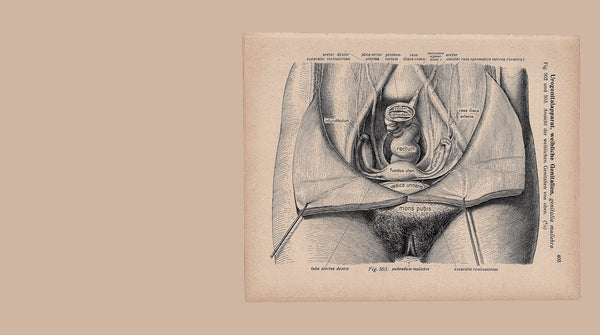
The pelvic floor is a network of muscles, ligaments, and connective tissue that supports the bladder, uterus, and bowel. These muscles do two things that matter for urinary tract health. They help keep the urethra closed when you're not actively peeing (which is why a weak pelvic floor causes incontinence during things like trampoline classes, sneezing, or laughing). And they help you fully empty your bladder when you do pee, by coordinating with the bladder muscles to push urine out completely.
During labor and delivery, those muscles are stretched, sometimes torn, and almost always traumatized. They lose tone. The nerves that coordinate them can be temporarily damaged. The result is twofold:
Stress incontinence, which is when small amounts of urine leak during physical activity or pressure changes. This is common postpartum and often the first sign of pelvic floor dysfunction.
Incomplete bladder emptying, which is harder to notice but more relevant for UTI risk. When your bladder doesn't fully empty, residual urine sits in the bladder for hours. That stagnation gives bacteria time to multiply. The longer urine sits, the higher the UTI risk.
The hormonal piece compounds this. Postpartum estrogen drops, especially in breastfeeding mothers, and the vaginal microbiome shifts in ways similar to perimenopause. The Lactobacillus environment that normally suppresses E. coli weakens. Bacteria colonize more easily, get pushed into the urethra, and find a perfect environment in a partially-emptied bladder.
This is why postpartum UTIs become recurrent. It isn't bad luck or hygiene. It's anatomy and hormones working against you in a window when you have the least time and energy to deal with either.
How Postpartum UTIs Are Treated
If your provider suspects a UTI, they'll usually order a urine sample for culture. Treatment is a short course of antibiotics, typically 5 to 7 days for an uncomplicated bladder infection. Most antibiotics used for UTIs are safe to take while breastfeeding, and your provider will choose one that's compatible with your situation. Common safe options include nitrofurantoin and cephalexin.
If the infection has reached the kidneys, treatment is more aggressive: IV antibiotics, sometimes a hospital stay, and a longer course of oral antibiotics afterward. This is one of the reasons it's important to call early rather than wait it out.
A follow-up urine culture about 6 to 8 weeks postpartum can confirm the infection has fully cleared. This is sometimes skipped if symptoms have resolved, but it's a reasonable thing to ask about, especially if you have a history of recurrent UTIs.
I'll say what nobody said to me: taking antibiotics while breastfeeding is not the failure. The failure is being given the antibiotic without anyone explaining what's actually happening in your body and what you can do beyond the prescription.
Why New Mothers Are at Higher UTI Risk
To name it plainly:
- Catheter use during delivery is the most common direct cause of postpartum UTI.
- Pelvic floor changes affect bladder function. Stretched or weakened muscles mean incomplete emptying and residual urine.
- Hormonal shifts after birth, especially in breastfeeding mothers, lower estrogen and weaken the vaginal microbiome that normally suppresses E. coli.
- Disrupted hydration and routine. New mothers often forget to drink enough water, and infrequent urination concentrates urine and reduces flushing.
- Tearing or surgical repair creates inflamed tissue near the urethra.
This isn't a list designed to scare you. It's a list designed to explain why the standard advice ("just take care of yourself") doesn't quite cover the level of vigilance the postpartum window actually requires.

Preventing Postpartum UTIs
Most of the prevention advice is the same advice that applies generally, applied with extra intention during the postpartum window.
Pee within six to eight hours of delivery. Hospital staff will usually prompt you on this. Even if it feels difficult or scary, emptying the bladder soon after delivery reduces the risk of stagnation and bacterial overgrowth.
Drink water consistently. New mothers, especially breastfeeding ones, need significantly more fluid than usual. Keep a large bottle within arm's reach. Adequate hydration keeps urine dilute and supports the bladder's natural flushing action.
Use a peri bottle. Beyond comfort, a peri bottle helps clear the urethral area gently after urination, which can reduce bacterial introduction.
Move your body when you're cleared to. Walking helps your bladder and bowels function. Even short walks around the house in the first few days post-birth can help.
Wipe front to back. The basics still matter, especially when you're tired and not paying close attention.
See a pelvic floor physical therapist. This is the advice I wish someone had given me at six weeks postpartum. Pelvic floor PT is one of the most underused recovery tools in American postpartum care, and it's standard practice in many other countries (France refers every woman automatically). A pelvic floor therapist can assess whether your bladder is fully emptying, whether your muscles are coordinating properly, and what specific exercises will help you recover function. They can also help with stress incontinence, painful sex, and other postpartum issues that are often dismissed as "just how it is now."
Pay attention to symptoms. Postpartum recovery involves a lot of physical sensations that are hard to interpret. Trust your body. If something feels wrong or is getting worse instead of better, call.
For women with a history of recurrent UTIs, a prevention protocol like UTI Biome Shield can be added once your provider has cleared you and confirmed it's compatible with breastfeeding if applicable. UTI Biome Shield delivers clinical-dose cranberry PACs, D-mannose, vitamin D3, and zinc, all of which support bladder lining integrity and bacterial defense. Talk to your provider about timing and use postpartum, especially if you're nursing.
When to Call Your Provider
Call right away if you experience:
- Fever over 100.4°F.
- Lower back, side, or flank pain.
- Nausea or vomiting with urinary symptoms.
- Visible blood in the urine.
- Worsening pain that doesn't track with normal healing.
- Symptoms of a UTI that don't improve with antibiotics, or that come back after treatment.
Stress incontinence that doesn't improve after the first six to eight weeks postpartum, or that's significantly affecting your life.
Postpartum recovery is full of "is this normal?" moments. UTIs are the kind of thing where the answer to that question matters, because untreated infections can progress and the postpartum body is already doing a lot of work.
You're recovering from one of the biggest physical events your body will ever go through. The urinary tract is part of that recovery. So is your pelvic floor. They deserve the same attention as everything else, and you deserve real information about how they work, not just a prescription and a pat on the back.
This was the article I needed at 31. I hope it finds you sooner than it found me.
Frequently Asked Questions
Is it normal for peeing to hurt after giving birth?
Yes, some discomfort is normal in the first two to three days after vaginal delivery, especially if you experienced tearing, had an episiotomy, or had a catheter. Sharp stinging from urine contacting healing tissue is common and usually softens within a few days. What's not normal is pain that intensifies over time, fever, or symptoms that suggest infection rather than healing.
How can you tell if it's a postpartum UTI or normal healing pain?
Normal postpartum pee pain improves daily and is most intense in the first 48 to 72 hours. UTI pain tends to feel different: a deeper burning sensation during urination, urgent need to pee with little output, lower abdominal pressure not related to uterine cramping, and possibly cloudy or foul-smelling urine. UTI pain often persists or worsens, while healing pain fades. Fever, back pain, or nausea on top of urinary symptoms is a red flag for kidney involvement.
Why do new mothers get UTIs more often?
Several factors converge. Catheter use during labor or C-section can introduce bacteria. Pelvic floor changes after delivery cause incomplete bladder emptying, which lets residual urine sit and bacteria multiply. Hormonal shifts, especially in breastfeeding mothers, lower estrogen and weaken the vaginal microbiome that suppresses E. coli. Disrupted sleep and hydration in early motherhood compound the risk.
Can you take antibiotics for a UTI while breastfeeding?
Yes, most antibiotics commonly prescribed for UTIs are safe to take while breastfeeding. Your provider will select one that's compatible with nursing. Common safe options include nitrofurantoin and cephalexin. Some antibiotics are not preferred during breastfeeding, so it's important that your provider knows you're nursing when prescribing.
What does the pelvic floor have to do with postpartum UTIs?
The pelvic floor muscles help keep the urethra closed and help fully empty the bladder. After labor and delivery, these muscles can be stretched, weakened, or temporarily uncoordinated, which leads to incomplete bladder emptying. Residual urine that stays in the bladder gives bacteria more time to multiply, which raises UTI risk. This is one of the most overlooked connections in postpartum care.
Should I see a pelvic floor physical therapist after birth?
Yes, if it's accessible to you. Pelvic floor PT is standard postpartum care in many countries and significantly underused in the US. A pelvic floor therapist can assess bladder emptying, muscle coordination, and pelvic stability, and prescribe specific exercises to support recovery. They can also help with stress incontinence (peeing during exercise), painful sex, and other common postpartum issues. Ask your OB or midwife for a referral at your six-week visit.
Should you take a UTI prevention supplement after giving birth?
Talk to your provider before starting any supplement postpartum, especially while breastfeeding. UTI Biome Shield is doctor-formulated and uses ingredients with strong safety profiles, but timing and use during breastfeeding should be confirmed with your healthcare provider. For women with a history of recurrent UTIs, a prevention protocol can be a meaningful addition to a postpartum care plan once your provider has cleared it.
Can a postpartum UTI become a kidney infection?
Yes, and it's one of the reasons to call your provider promptly when symptoms appear. UTIs that aren't treated can progress upward into the kidneys, especially during the postpartum period when the urinary tract is more vulnerable. Symptoms of kidney infection include high fever, back or flank pain, nausea, vomiting, and significantly worsening symptoms. Kidney infections during postpartum recovery typically require IV antibiotics and sometimes hospitalization.