


Minutes
First, block the attachment
BioBlocD3® reaches the urine in as little as 30 minutes, targeting Type 1 fimbriae to help keep E. coli from attaching.


HOW IT WORKS
Stop a UTI before it starts.


BEYOND ANTI-ADHESION
Recurrent UTIs aren't driven by one mechanism, so UTI Biome Shield® works on all of them.
BEYOND ANTI-ADHESION
Adhesion
Attachment is the first step of every UTI. If bacteria can't hold on, they leave with your urine.
E. coli reaching the bladder isn't unusual, it happens routinely. Infection starts when it anchors to the bladder lining instead of being flushed out. It anchors using fimbriae, hair-like structures that lock onto sugar molecules on the surface of urothelial cells.
Type-1 and P-type fimbriae use different adhesion mechanisms, which is why targeting more than one pathway may provide broader anti-adhesion support. D-mannose blocks only one: Type-1, which is part of why trials of D-mannose on its own have been mixed. PACphenol blocks both, and weakens the fimbriae themselves.
BEYOND ANTI-ADHESION
Bladder wall
Your bladder lining is a barrier. Supporting its integrity is an important part of urinary defense.
The bladder lining is sealed by tight junctions between cells and a protective layer above them. When that barrier thins or is damaged, after an infection or after menopause, UTI-causing bacteria have an easier path in.
Vitamin D3 supports the proteins that hold those junctions closed and upregulates antimicrobial peptides your body makes itself. Zinc supports the epithelial repair that follows an infection.
BEYOND ANTI-ADHESION
Biofilm
Biofilm is where bacteria wait between infections.
Bacteria that survive an infection can embed in biofilm, a self-made matrix on the bladder lining and inside urothelial cells. It shields them from your immune system and from antibiotics, which is how a course of treatment can clear symptoms without clearing the reservoir.
UTI Biome Shield® targets biofilm at several points, from initial formation through to survival.
BEYOND ANTI-ADHESION
Microbiome
Most recurrent UTIs begin in the gut, not the bladder.
UTI-causing E. coli lives in the gut between infections, and recurrences are often the same strain returning. The vaginal microbiome matters too, since Lactobacillus keeps pH balanced and crowds out the bacteria that travel.
Cranberry polyphenols and D-mannose both have prebiotic activity, supporting beneficial species without added fiber that can cause bloating.
when to take it
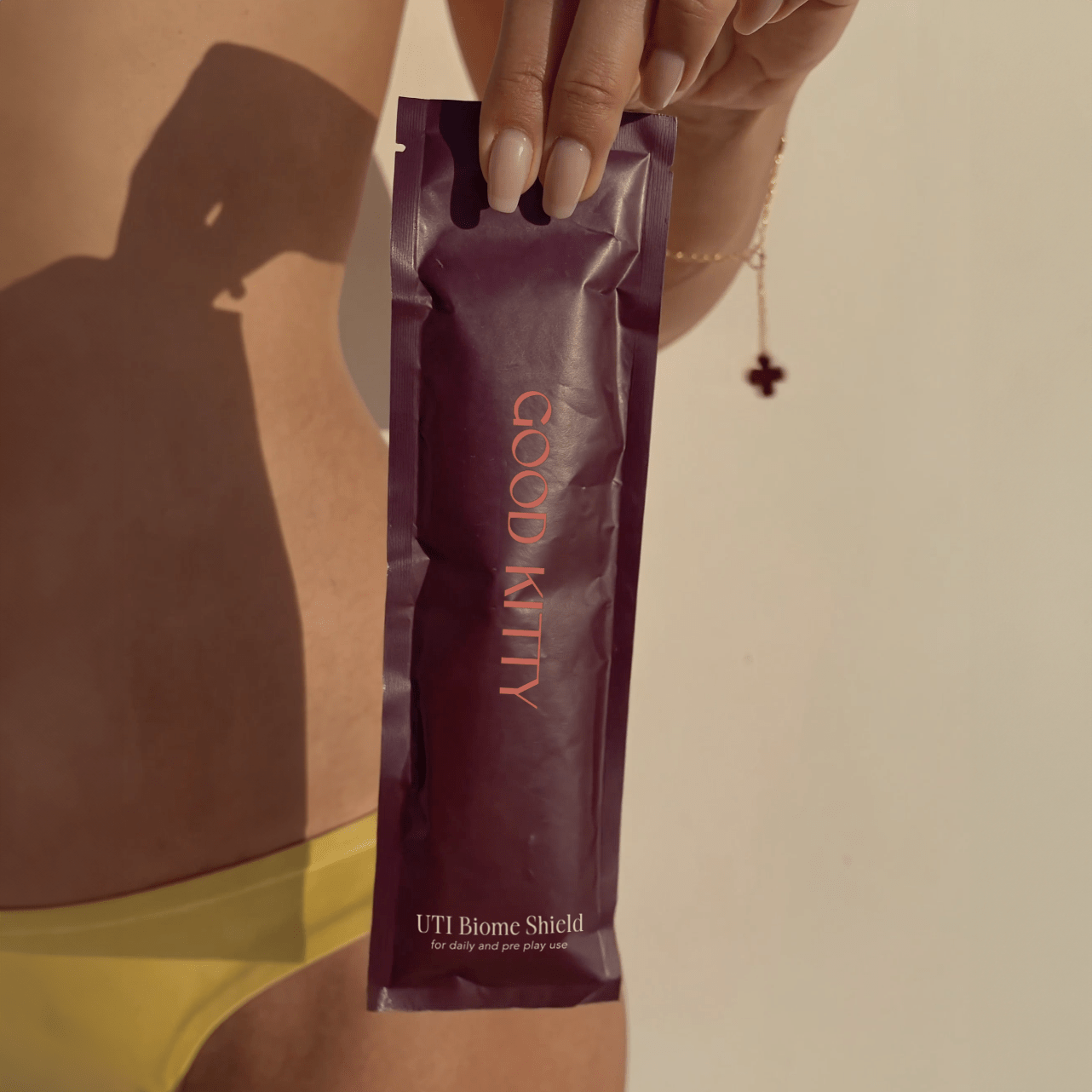
One capsule daily. Two additional capsules before sex. The daily dose builds urinary health protection over weeks and months. The extra dose covers the moment that starts most infections.
UTI Biome Shield®
An infection starts when E. coli holds on. It attaches using two different arms, so blocking one leaves the other working.
See Clinical Evidence →BioBlocD3® reaches the urine in as little as 30 minutes, targeting Type 1 fimbriae to help keep E. coli from attaching.
PACphenol® targets both Type 1 and P-type adhesion pathways, helping further interfere with E. coli’s ability to hold on.
When bacteria can’t hold on, they are flushed out naturally with urine
Transform your urinary health
UTI Biome Shield® works on two timelines. Anti-adhesion support starts quickly, helping interfere with bacterial attachment when exposure risk is highest. With consistent daily use, the formula also supports the bladder lining, immune defenses, biofilm response, and a balanced urinary and vaginal microbiome. Different defenses. Working together over time. See Clinical Evidence
Take two before sex. BioBlocD3® starts working within 30 minutes, and PACphenol® follows a few hours later. Two complementary anti-adhesion actives block Type-1 and P-type pathways, making it easier for bacteria to be flushed out naturally.
Daily vitamin D3, zinc, and polyphenols support the bladder lining and immune defenses, target biofilm where bacteria hide.
Consistent prebiotic and polyphenol support shifts the gut environment away from UTI-causing bacteria, promoting a balanced urogenital microbiome that supports long-term urinary and vaginal health.
THE CAUSES

A shorter urethra means bacteria have a faster, easier path to the bladder. Add in the proximity between the urethra and vagina, and everyday things become risk factors no one warned us about.

The most common trigger for recurrent UTIs. Friction during intercourse moves bacteria toward the urethra, where they have a short path to the bladder.

Estrogen shapes how well your urinary tract defends itself. As it drops through perimenopause and menopause, the urinary tract and vaginal lining thin, making them more vulnerable to infection.

Antibiotics treat the infection, but they can also kill the protective bacteria in the gut and vaginal microbiome.

A healthy vaginal microbiome is one of your strongest defenses. When protective Lactobacillus bacteria dominate, they keep pH balanced and harmful bacteria in check. When that balance tips, UTIs become more frequent.

When you have to go, go. Holding urine for six or more hours gives bacteria time to multiply in the bladder. The extra miles aren't worth the risk.

Flushing matters as much as blocking. Drinking plenty of water helps clear bacteria from your urinary tract before they can take hold. Aim for six to eight glasses daily.

Bacteria thrive on pads and tampons left in too long. Change tampons every four hours and pads every four to six.

pH-altering products disrupt the balance that protects you. Fragranced soaps, spermicides, and douching all interfere with your natural bacteria balance and raise UTI risk.
UTI Biome Shield® Starter Kit
Now$84.15(from $99)

