

What Your Period Can Tell You About Your Health: Meet Your 6th Vital Sign

Your menstrual cycle is trying to tell you something. Are you listening?
For centuries, periods have been treated as everything from mystical prophecy tools to toxic bodily fluids that could wither crops and cause natural disasters. (Yes, really. People believed menstruating women were literal harbingers of doom.)
Fast forward to today, and we've made some progress. We can say the word "period" out loud without being burned at the stake. We've got period underwear, menstrual cups, and the occasional celebrity willing to talk about their cycle on Instagram.
But we're still not treating periods with the respect they deserve.
Most of us started menstruating with basically zero information beyond "here's a pad, good luck." We internalized the message that periods are gross, inconvenient, and something to hide. We learned to suffer through cramps, dismiss irregular cycles as "just normal," and accept that our bodies are mysterious black boxes we'll never fully understand.
Here's what nobody told you: Your menstrual cycle is one of the most powerful diagnostic tools you have.
In fact, it's so important that the American Academy of Pediatrics (AAP) and the American College of Obstetricians and Gynecologists (ACOG) officially recognize your menstrual cycle as your 6th vital sign—right alongside blood pressure, temperature, pulse, respiratory rate, and pain.
Your period isn't just an annoying monthly inconvenience. It's a monthly report card on your overall health.
And it's trying to tell you things you need to know.
Your Cycle Is Literally a Health Barometer
Think about it: When you have chills, a headache, body aches, and fatigue, one of the first things you do is check your temperature.
If it's over 100.4°F, you know something's wrong. You might take vitamin C, drink some soup, get extra rest. If symptoms worsen, you seek medical care.
You know what to check for. You know what the numbers mean. You know when to act.
Your menstrual cycle works the same way—but nobody taught you how to read it.
Instead of a thermometer, you're checking your cycle against a healthy menstrual blueprint. And instead of a single temperature reading, your cycle gives you continuous data every month about:
🐱 Your hormone balance (estrogen, progesterone, testosterone)
🐱 Your thyroid function
🐱 Your adrenal health and stress levels
🐱 Your gut health
🐱 Your immune system
🐱 Your metabolic health
🐱 Your exposure to endocrine disruptors
🐱 Your fertility
🐱 Your long-term health risks (diabetes, autoimmune disease, cancer, cardiovascular disease)
Your cycle is an ancient hormonal-biological blueprint hardwired into your body. When something throws it off course—stress, diet, toxins, underlying conditions—your cycle is the first to sound the alarm.
The problem is, most of us don't know what a "normal" alarm sounds like versus a five-alarm fire.
What Does a Healthy Menstrual Cycle Actually Look Like?
Here's the baseline you should be comparing your cycle to:
✔️ Cycle Length: 26-32 days
This is measured from Day 1 of your period (first day of bleeding) to the last day before your next period starts.
Your cycle length shouldn't vary by more than 4 days per month. A little variation is normal; wildly inconsistent cycles are not.
✔️ Period Duration: 3-7 days
Your period itself (the bleeding phase) should last between 3-7 days.
Shorter than 3 days? Possibly a problem.
Longer than 7 days? Definitely worth investigating.
✔️ Flow Volume: Not more than 6 pads/tampons per day
If you're changing pads or tampons more than 6 times in a day, or soaking through products in less than 2 hours, that's clinically defined as heavy bleeding and needs medical attention.
✔️ Pain Level: Manageable without medication
Some cramping is normal. Debilitating pain is not.
If your period stops you in your tracks, makes you miss work/school, or requires pain medication every month just to function, something is wrong.
✔️ Mood Shifts: Noticeable but not extreme
Yes, hormonal fluctuations affect mood. No, you should not feel like you're "going off the rails emotionally" or experiencing severe anxiety/depression that disrupts your life.
✔️ Ovulation: Happens regularly
A healthy cycle includes ovulation (egg release) around Day 14. You might notice:
- Increased clear, stretchy cervical mucus
- Slight temperature increase
- Mild cramping on one side (mittelschmerz)
- Increased libido
If you're not ovulating regularly, your cycle is not functioning properly—even if you're still getting periods.
What Your Cycle Is Trying to Tell You
Now let's decode what different cycle irregularities actually mean:
🚨 Long Cycles (35+ days apart)
What it might mean:
- Anovulation (not ovulating)
- Low estrogen
- Low body weight or body fat
- Chronic stress
- PCOS (polycystic ovarian syndrome)
- Thyroid problems
Why it matters:
If you're not ovulating, you're not producing enough progesterone—the hormone that balances estrogen, supports mood, protects uterine lining, and is essential for fertility.
Long cycles are often associated with heavier, more painful periods.
Over time, unchecked long cycles increase your risk of endometrial cancer due to unopposed estrogen stimulation.
🚨 Short Cycles (Less than 25 days apart)
What it might mean:
- High estrogen
- Short luteal phase (you're not ovulating properly)
- Perimenopause (if you're in your 40s)
- Premature menopause (if you're under 42)
Why it matters:
If you're under 42, short cycles may indicate premature menopause, which increases your risk of:
- Bone loss (osteoporosis)
- Cardiovascular disease
- Cognitive decline (due to early loss of estrogen)
- Anemia (from more frequent blood loss)
High estrogen carries its own risks, including increased risk of estrogen-dominant conditions like fibroids and endometriosis.
🚨 Skipped Periods (Missing 3+ periods in a row)
What it might mean:
- Pregnancy (obviously—check first)
- PCOS
- Thyroid problems
- Premature menopause
- Hypothalamic amenorrhea
Hypothalamic amenorrhea is one of the most common reasons periods disappear and can be caused by:
- BMI under 18.5
- Restrictive eating or low-calorie diets
- Intense athletic training
- Preoccupation with weight
- High stress levels
- Osteopenia or osteoporosis
Why it matters:
Missing periods means you're not ovulating, which means you're not producing progesterone. This affects:
- Hormone balance
- Mood regulation
- Uterine lining health
- Bone density
- Fertility
🚨 Anovulation (Not Ovulating)
What it might mean:
- Hypothyroidism
- PCOS
- Hypothalamic amenorrhea
- High stress
- Nutritional deficiencies
Why it matters:
Without ovulation, you don't produce adequate progesterone, which is essential for:
- Cycle regularity
- Hormone balance
- Mood stability
- Fertility
- Calming the effects of estrogen
You can still get periods without ovulating (these are called anovulatory cycles), but bleeding without ovulation is not a healthy menstrual cycle.
🚨 Heavy Periods (6+ pads/tampons per day OR lasting 7+ days)
What it might mean:
- Hormone imbalance (high estrogen or low progesterone)
- PCOS
- Endometriosis
- Adenomyosis
- Uterine fibroids
- Von Willebrand disease (a genetic bleeding disorder that's often missed)
Why it matters:
Heavy periods can cause:
- Iron deficiency anemia
- Severe fatigue
- Mood problems
Persistently elevated estrogen (often the culprit) increases your risk of estrogen-dominant conditions and certain cancers.
Von Willebrand disease is a lifelong bleeding disorder where blood doesn't clot properly. It's not super rare, but it's often dismissed as "just heavy periods." If you've always had very heavy bleeding, get tested.
Read more

Here's a fun fact nobody tells you: the period products marketed as "natural," "organic," and "non-toxic" might be poisoning you.
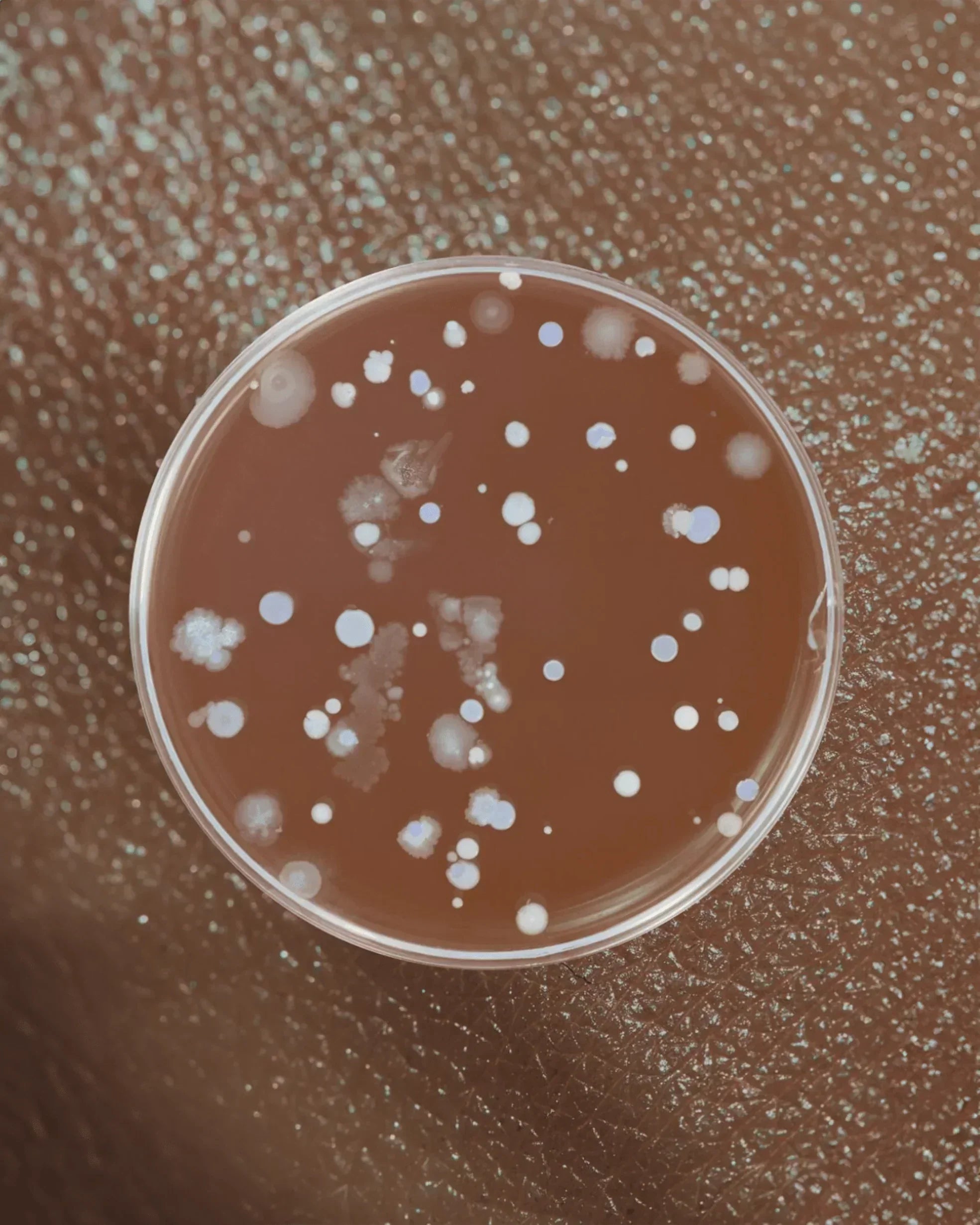
Your vagina is a living ecosystem. Learn how your vaginal microbiome affects UTIs, BV, fertility, immunity, and overall health—and how to keep it in balance.




Leave a comment
All comments are moderated before being published.
This site is protected by hCaptcha and the hCaptcha Privacy Policy and Terms of Service apply.