Why Sex Causes UTIs (and How to Actually Prevent Them)
If you've ever wondered why every time you have sex you end up with a UTI a few days later, you're not imagining things. Sex is the single biggest trigger for UTIs in women under 40. Roughly 80% of premenopausal UTIs are linked to sexual activity.
Here's why your body does this, and what actually prevents it.
The Mechanics of a Post-Sex UTI
Sex doesn't infect you with new bacteria. It creates the perfect conditions for bacteria already on your body to migrate into your urinary tract. Three things happen during sex that set this up.
Friction and Pressure
The physical mechanics of sex create friction against your urethra (causing irritation and microabrasions), pressure that pushes bacteria toward your urethral opening, and movement that transfers bacteria from your vaginal and anal areas. Different positions create different amounts of pressure on the urethra.
Your Anatomy Isn't on Your Side
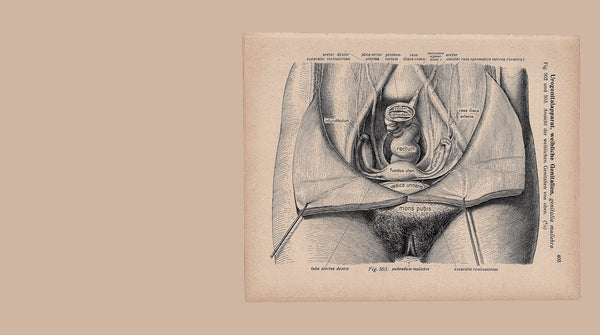
The female urethra is only 1.5 inches long, compared to 8 inches in men. It sits right next to your vaginal opening. It's close to your anus, where E. coli lives. During sex, bacteria have a very short distance to travel before they reach your bladder.
This isn't bad luck. It's biology.
Vaginal Microbiome Disruption
A healthy vaginal microbiome (dominated by Lactobacillus bacteria) keeps pH acidic and hostile to E. coli. Sex can disrupt this balance: semen is alkaline and raises vaginal pH temporarily, spermicides kill beneficial bacteria, new partners introduce new bacteria, and oral sex can change pH.
When the vaginal microbiome is disrupted, E. coli can thrive and migrate to the urethra.
Why Some Women Get Post-Sex UTIs and Others Don't
Plenty of women have sex regularly without ever getting a UTI. Others get one every time. The difference is rarely behavior. It's a combination of factors.
Anatomy. Some women have a urethral opening positioned closer to the vaginal entrance, making bacterial migration even easier.
Microbiome health. Women whose Lactobacillus dominance is already low are more vulnerable to E. coli colonization.
Hormonal status. Low estrogen (menopause, postpartum, breastfeeding) thins vaginal tissue and reduces protective bacteria.
Frequency of sex. Having sex three or more times per week increases UTI risk substantially.
New partner exposure. "Honeymoon cystitis" is real. Your body needs time to adjust to a new partner's bacterial ecosystem.
Birth control method. Spermicides increase UTI risk by 2 to 3 times. Diaphragms put pressure on the urethra and prevent complete bladder emptying.
Hydration and bladder habits. Concentrated urine and held-in pee both create environments where bacteria thrive.
The "Pee After Sex" Rule (and What It Misses)
You've heard it a thousand times: pee after sex. Yes, do it. But the way most women do it doesn't actually accomplish what it's supposed to.
Squeezing out two drops while still recovering from sex isn't enough. The point of post-sex urination is to flush bacteria out of the urethra before they can migrate to the bladder. That requires actual volume and pressure, a real stream, not a polite sprinkle.
If you can't pee much right after, drink a big glass of water first. Wait five to ten minutes if you've orgasmed (your pelvic floor needs to relax). Then pee until you're actually empty.
This single change is the most powerful behavioral prevention tool you have.
Prevention Strategies That Actually Work
Take a Clinical-Dose Cranberry PAC Supplement
Most cranberry supplements have very low bioavailability. The PACs you're paying for never reach your bladder. UTI Biome Shield delivers 38mg of bioavailable A-type PACs (the form proven to prevent bacterial adhesion to the bladder wall), plus D-mannose, vitamin D3, and zinc.
For sex-triggered UTIs specifically, take one additional capsule 30 to 60 minutes before sex for targeted protection. The pre-coital dose puts peak PAC concentration in the urinary tract during the highest-risk window for bacterial introduction.
Eliminate Spermicide
Nonoxynol-9 (the most common spermicide) increases UTI risk by 2 to 3 times. It's found in spermicidal condoms, foam, gel, sponges, and some diaphragms. Switch to non-spermicidal condoms or a different birth control method if you're prone to UTIs.
Use Adequate Lubrication
Friction creates microtears in the urethra and surrounding tissue, giving bacteria easy entry. Use a quality water-based lubricant without glycerin (sugar feeds bacteria) or warming or tingling agents (irritants).
Stay Hydrated
Drink 8 to 12 glasses of water daily, with extra on days you have sex. Dilute urine flushes bacteria more effectively than concentrated urine.
Address Hormonal Factors
If you're postmenopausal, perimenopausal, or breastfeeding, ask your doctor about vaginal estrogen. It restores the vaginal tissue and microbiome that low estrogen has compromised, reducing recurrent UTI risk by over 50%.
Empty Your Bladder Completely
Try the double-voiding technique: pee, wait 30 seconds, then try to pee again. This ensures you're not leaving stagnant urine in your bladder where bacteria can multiply.
Can You Give Your Partner a UTI?
Technically, no. UTIs aren't contagious. Your partner can carry bacteria that contribute to your UTI risk, but they can't catch one from you the way they'd catch an STI.
For male partners: it's extremely rare for men to get UTIs from female partners because their urethras are much longer. They can develop UTIs if they have underlying conditions like prostate issues or kidney stones.
For female partners: bacteria can transfer in either direction, but neither person is "catching" a UTI. Anatomy makes one or both of you vulnerable.
When to See a Doctor
If you're getting more than two UTIs in six months or three in twelve months, you have recurrent UTIs, and you need a more comprehensive prevention strategy than just lifestyle modifications.
Ask your doctor about a urine culture to identify the specific bacteria, vaginal estrogen if you're hypoestrogenic, post-coital antibiotics as a temporary bridge while you build long-term prevention, or a referral to a urogynecologist if standard approaches aren't working.
Sex Doesn't Have to Mean a UTI
The mechanics that make post-sex UTIs common are well understood, and the prevention strategies are evidence-based.
Pee with actual volume after sex. Take a clinical-dose cranberry supplement, especially before sex. Eliminate spermicides. Use good lubrication. Stay hydrated. Address hormonal factors if relevant. Empty your bladder completely.
You deserve pleasure without pain. The right combination of strategies can break the cycle, usually within a few months.
If you're experiencing recurrent UTIs, see a healthcare provider to rule out underlying conditions and develop a comprehensive prevention plan.
Frequently Asked Questions
Why do I get a UTI every time I have sex?
About 80% of UTIs in premenopausal women are linked to sexual activity. The female urethra is only 1.5 inches long and sits very close to the vaginal opening and anus, where E. coli lives. During sex, friction and pressure push bacteria toward the urethra, where they have a very short distance to travel before reaching the bladder. Some women are anatomically more vulnerable, and some have additional risk factors like hormonal shifts, low Lactobacillus, or spermicide use.
How long after sex does a UTI usually develop?
Symptoms typically appear within 24 to 72 hours after sex. The bacteria need time to migrate up the urethra, attach to the bladder wall, and multiply enough to cause symptoms. If you wake up the day after sex feeling fine and develop symptoms two days later, that's the bacterial multiplication window catching up with you.
Does peeing after sex actually prevent UTIs?
Yes, when you do it correctly. The point is to flush bacteria out of the urethra before they migrate to the bladder, which requires actual volume and pressure, not a polite trickle. Drink water first, wait 5 to 10 minutes if you've orgasmed (so the pelvic floor relaxes), and pee until your bladder is genuinely empty. Within 30 minutes of sex is the protective window.
What's the best supplement for sex-triggered UTIs?
A clinical-dose cranberry supplement with at least 36mg of A-type proanthocyanidins (PACs), the dose shown in research to meaningfully block E. coli adhesion. Most over-the-counter cranberry products contain less than 5mg of active PACs, far below the threshold for protection. UTI Biome Shield delivers 38mg of DMAC-verified PACs plus D-mannose, vitamin D3, zinc, and polyphenols, taken daily with one additional capsule 30 to 60 minutes before sex.
Can spermicide cause UTIs?
Yes. Nonoxynol-9, the most common spermicide, increases UTI risk by 2 to 3 times. It disrupts the vaginal microbiome by killing protective Lactobacillus, which allows E. coli to thrive. If you have recurrent UTIs and use spermicidal condoms, foam, gel, sponges, or a diaphragm with spermicide, switching contraceptive methods is one of the most effective changes you can make.
Are post-sex UTIs more common during certain phases of life?
Yes. UTI risk rises during three life phases that share a common feature: low estrogen. Postpartum and breastfeeding mothers have temporarily suppressed estrogen, which thins vaginal tissue and reduces protective bacteria. Perimenopausal and menopausal women experience the same hormonal shift more permanently. Young women with high frequency of sexual activity also experience higher UTI rates due to mechanical bacterial introduction. Each phase has different prevention strategies that work best.
How long does it take to break the cycle of recurrent post-sex UTIs?
With a comprehensive prevention plan, most women see significant improvement within 2 to 3 months. The components that matter most: clinical-dose daily PAC supplement with pre-coital dosing, post-sex urination with real volume, eliminating spermicides, addressing hormonal factors if applicable, and adequate hydration and lubrication. If you've made these changes for three months and UTIs are still recurring, see a urogynecologist for a workup that can identify biofilm-driven infection or other underlying causes.