Roughly 50% of women will have at least one urinary tract infection in their lifetime. Around 30% will have a second within six months. About 5% will deal with recurrent UTIs that come back over and over again across years.
Men, by comparison, have a lifetime UTI risk of around 12%. Most men won't get a UTI until age 50 or later, and even then it's typically associated with prostate enlargement or other complicating factors rather than the routine after-sex or post-stress UTIs that women deal with throughout their reproductive lives.
This is not because women are doing something wrong. It's because women's anatomy, hormones, and microbiomes create specific conditions that make UTIs more likely. Understanding why is the first step to preventing them.
Here's what's actually going on, why women are biologically more vulnerable, and what you can do about it.
Anatomy: The Short Urethra Problem
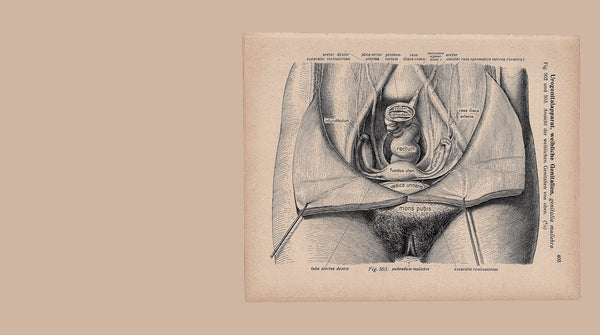
The most fundamental reason women get more UTIs than men is anatomical. The female urethra is roughly 4 cm long. The male urethra is roughly 20 cm long.
This is not a small difference. UTIs typically develop when bacteria from the perineal area (skin around the anus and vagina) migrate up the urethra into the bladder, where they multiply and cause infection. A bacterium that needs to travel 4 cm has a much shorter journey than one that needs to travel 20 cm. The longer journey gives the immune system more time to clear bacteria before they establish infection.
The urethra also opens to the perineal area, which is densely populated with bacteria. E. coli, the bacteria responsible for around 85% of UTIs, lives normally in the gut and the perineal area. The proximity between the urethral opening and the perineal area means even routine activities (sex, exercise, certain hygiene practices, even just sitting) can introduce bacteria to the urethra.
Anatomy is destiny here. There's nothing women can do about urethral length. But understanding the mechanism explains why so many UTI prevention strategies focus on minimizing bacterial introduction (peeing after sex, hydration to flush the urethra) and supporting the natural defenses that compensate for the anatomical vulnerability.
Sex: The Mechanical Problem
Sexual activity is the single biggest acute UTI trigger for women. Studies consistently show that women's UTI risk increases sharply after intercourse, especially with a new partner or after a period of abstinence.
The mechanism is mechanical. Sex physically pushes bacteria from the perineal and vaginal area into the urethra. Spermicide-containing contraceptives compound this by killing protective Lactobacillus and altering the vaginal microbiome that suppresses E. coli. Different positions and durations of intercourse can affect bacterial introduction.
This isn't an argument against sex. It's an argument for understanding the timing of UTI risk so prevention strategies can address it. Peeing within 30 minutes after sex with real volume mechanically flushes most bacteria from the urethra before they can establish infection. Pre-sex hydration helps because a fuller bladder produces more urine flow during the post-sex pee. For women prone to UTIs, a pre-sex spot treatment dose of D-mannose (such as the 1000mg two-pill dose in UTI Biome Shield) gives an additional layer of bacterial-binding protection during the high-risk window.
Honeymoon cystitis (the well-documented UTI cluster that often follows a period of frequent intercourse) is the same mechanism amplified by repeated mechanical exposure. The body can usually clear occasional bacterial introduction. Repeated introduction without recovery time can overwhelm the defenses.
Hormones: Estrogen as Urinary Tract Defender
Estrogen is critical to urinary tract health in ways most women are never told. It maintains the integrity of the urethral and vaginal lining, supports the protective Lactobacillus-dominant microbiome, and powers many of the immune defenses in the urogenital tract.
Estrogen levels fluctuate through women's reproductive lives in ways that affect UTI risk:
Menstrual cycle. Estrogen drops during the menstrual phase (day 1 of period through about day 5), then rises through the follicular phase, peaks just before ovulation, drops slightly, rises again in the early luteal phase, and drops sharply just before menstruation. Some women notice UTI patterns that correlate with these phases, particularly the pre-menstrual estrogen drop.
Pregnancy. Pregnancy increases UTI risk through several mechanisms: hormonal changes that affect ureter and bladder function, mechanical compression of the bladder by the growing uterus, and immune changes that affect bacterial clearance. UTIs during pregnancy require prompt treatment because they carry higher complication risks.
Postpartum and breastfeeding. Estrogen levels drop dramatically after childbirth and stay suppressed during breastfeeding, which can produce vaginal and urinary tissue thinning similar to early menopause. Postpartum UTI risk is elevated, and women who experienced UTIs during pregnancy or delivery often see continued recurrence postpartum. (For more, see The Postpartum UTI Story I Didn't Know Was Mine.)
Perimenopause and menopause. Estrogen decline in midlife reduces the protective effects of vaginal Lactobacillus dominance, thins urinary and vaginal tissue, and dramatically increases UTI susceptibility. Around 25 to 30% of postmenopausal women experience recurrent UTIs. (For more, see UTIs After Menopause: Why They're So Common.)
Hormonal birth control adds another variable. Some formulations support vaginal Lactobacillus dominance, others shift the microbiome in ways that can affect UTI risk. If your UTI patterns changed when you started or stopped a contraceptive, the hormonal shift may be the cause.
The Microbiome Connection
The vaginal microbiome and the urinary microbiome are connected ecosystems that protect against UTI when in balance and increase UTI risk when disrupted.
Lactobacillus species, particularly L. crispatus and L. jensenii, suppress E. coli colonization in the vaginal area. When these protective species drop out (during BV, antibiotic use, hormonal shifts, or after disruptive products like douches and fragranced washes), E. coli has a foothold near the urethra. From there, the short journey to the bladder is mechanical.
This is why women with bacterial vaginosis have nearly twice the rate of recurrent UTIs as women with healthy vaginal microbiomes. It's also why repeated antibiotic courses for UTI treatment often make recurrent UTIs worse over time, because the antibiotics that clear the bladder infection also disrupt the vaginal and gut microbiomes that prevent the next one.
For more on this, see Vaginal Ecology 101 and Your Bladder Health Starts in the Gut.
What Doesn't Cause UTIs (Despite What You've Been Told)
A surprising amount of UTI advice is folk wisdom that doesn't hold up to research. Worth knowing what to stop worrying about so you can focus energy on what actually matters.
Hygiene practices. Most UTIs are not caused by poor hygiene. Wiping back to front is sometimes blamed but the research supporting this as a major UTI cause is weak. Bathing vs. showering doesn't appear to meaningfully affect UTI risk for most women.
Holding your pee. Occasional pee-holding doesn't cause UTIs. Chronic incomplete bladder emptying can contribute to UTI risk because residual urine becomes a bacterial breeding ground, but this is different from waiting an extra hour because you're in a meeting.
Underwear material. Cotton underwear is generally healthier than synthetic for vaginal health, but synthetic underwear is not a major UTI cause for most women.
Pool, hot tub, or beach exposure. Despite the persistent rumor, swimming doesn't cause UTIs. Sitting in a wet bathing suit for hours might contribute to yeast infection risk, but UTIs come from gut bacteria, not pool water.
"Dirty" sex. Sex causes UTIs through mechanical bacterial introduction, not through anything related to your partner's hygiene or the type of sex you're having. The exception is anal-then-vaginal sex without changing condoms or barriers, which can introduce gut bacteria directly to the vaginal area.
The research-supported UTI causes are anatomical (short urethra), mechanical (sex, certain medical procedures), hormonal (estrogen decline, pregnancy), microbial (BV, dysbiosis), and behavioral (specifically: not peeing after sex, certain spermicidal contraceptives). Most of the rest is folklore.
What Actually Reduces UTI Risk
Evidence-based UTI prevention combines several interventions because the underlying causes are multi-factorial.
Pee within 30 minutes after sex with real volume. This is the single highest-impact behavioral intervention. The mechanical flush dramatically reduces the bacteria that would otherwise establish infection.
Stay well-hydrated. Aim for pee that's pale yellow throughout the day. Adequate hydration produces enough urine flow to mechanically flush bacteria from the urethra and bladder.
Multi-mechanism prevention supplementation. UTI Biome Shield delivers 38mg of DMAC-verified A-type cranberry PACs (which block E. coli adhesion at the bladder), 500mg of D-mannose with a 1000mg two-pill spot treatment dose for higher-risk windows like before sex, vitamin D3 and zinc (which support tissue and immune function), and whole-fruit polyphenols (which feed beneficial microbes and disrupt biofilms).
Avoid spermicides. Specifically, nonoxynol-9-containing spermicides kill Lactobacillus and shift the vaginal microbiome in ways that increase UTI risk. If you've been using spermicide-containing products and getting UTIs, this is a high-impact change.
Choose microbiome-friendly lubricants. Glycerin-free water-based or silicone-based lubricants. (See Lube and Infections for specifics.)
Vaginal estrogen for postmenopausal, perimenopausal, or breastfeeding women. This is the highest-impact intervention for hormone-driven UTI risk and is often dramatically underused.
Address chronic BV if applicable. Treating BV with appropriate antibiotics, then supporting vaginal microbiome recovery with probiotics and lifestyle measures, can reduce recurrent UTI rates significantly.
Get cultures during UTIs. Always ask for a urine culture rather than accepting empirical antibiotic prescriptions. The wrong antibiotic for the wrong organism is one of the major reasons UTIs come back. Culture-guided antibiotic selection improves outcomes.
When Recurrent UTIs Suggest Something More
Most recurrent UTIs in women are explained by the factors above and respond to multi-mechanism prevention. Some don't, and the patterns that warrant deeper investigation are worth knowing.
Negative cultures with persistent symptoms. If your urine cultures keep coming back negative but you have UTI-like symptoms, you may have urethral irritation, overactive bladder, interstitial cystitis, or biofilm-driven chronic UTI rather than recurrent acute UTIs. (See UTI vs. Urethral Irritation and UTI vs. Overactive Bladder.)
Symptoms that don't fully clear with antibiotics. This pattern is associated with biofilm-driven chronic UTI, which standard antibiotic courses often can't penetrate. Specialists who treat chronic UTI use longer courses, biofilm-targeting strategies, and sometimes alternative antibiotic regimens.
Significant pain with sex paired with recurrent UTIs. This combination can point to vaginismus, vulvodynia, pelvic floor dysfunction, or endometriosis as contributing factors. A urogynecologist or pelvic pain specialist is the right referral.
UTIs that started after a specific event. New medication, new contraceptive, recent antibiotic course, recent surgery, or a major hormonal transition. Identifying the trigger sometimes points to the intervention.
For most women, recurrent UTI care that addresses the multi-factorial causes (anatomy, hormones, microbiome, behavior) will significantly reduce recurrence rates. For the women who don't respond, specialist care is the right next step rather than continuing to cycle through antibiotic courses that aren't working.
You're Not Imagining the Frequency
Women who experience recurrent UTIs often feel like they're being told their experience isn't real. Doctors who treat occasional UTIs sometimes don't appreciate how disruptive recurrent UTIs are. Friends and partners who haven't experienced them often don't understand why one infection feels like the start of another cycle of dread.
The frequency is real. The biological vulnerability is real. The mechanisms are well-established. And the prevention strategies, when applied across multiple fronts (anatomical awareness, behavioral measures, microbiome support, hormonal intervention if needed, multi-mechanism supplementation), genuinely work for most women.
You don't have to accept UTIs as inevitable. You don't have to live in fear of the next one. You do have to address the causes rather than just treating each infection as it comes.
Frequently Asked Questions
Why are UTIs so common in women?
Women's anatomy creates the primary vulnerability: the female urethra is around 4 cm long versus 20 cm in men, and the urethral opening is close to the perineal area where E. coli normally lives. This short anatomical distance means bacteria can reach the bladder more easily, and routine activities like sex can introduce bacteria mechanically. Hormonal factors (estrogen's role in urinary tract defense), microbiome factors (Lactobacillus dominance protects against E. coli colonization), and behavioral factors (sexual activity, certain contraceptives) compound the anatomical vulnerability.
How common are UTIs in women?
Roughly 50% of women experience at least one UTI in their lifetime. Around 30% have a second within six months. About 5% experience recurrent UTIs that come back across years. Postmenopausal women have particularly high rates, with 25 to 30% experiencing recurrent UTIs.
Can sex really cause UTIs?
Yes. Sexual activity is the single biggest acute UTI trigger for women. Sex physically introduces bacteria from the perineal and vaginal area into the urethra. Spermicide-containing contraceptives compound this by killing protective Lactobacillus. Peeing within 30 minutes after sex with real volume is the most effective behavioral intervention.
Does drinking cranberry juice prevent UTIs?
Not at typical consumption levels. To reach the clinical threshold of 36mg of A-type PACs from juice alone, you would need to drink roughly 32 ounces of pure unsweetened cranberry juice every day. Most commercial cranberry juice contains less than 1mg of PACs per serving and is mostly water and added sugar. Cranberry juice is a beverage, not a UTI prevention strategy. Clinical-dose cranberry supplementation with DMAC-verified A-type PACs is a different category. (For more, see Why Your Cranberry Supplement Isn't Working: PAC Solubility.)
Do men ever get UTIs?
Yes, but rates are dramatically lower (around 12% lifetime prevalence vs. 50% in women) and the typical age of onset is later (50+, often associated with prostate issues). When younger men get UTIs, they're considered atypical and often warrant urological workup for underlying causes.
Why do my UTIs keep coming back?
Recurrent UTIs typically result from multi-factorial causes rather than a single one. Common contributors include hormonal factors (estrogen decline, hormonal contraceptives), microbiome disruption (BV, repeated antibiotic exposure, dysbiosis), behavioral patterns (sexual activity timing, hydration, certain products), and biofilm formation by E. coli that allows persistent low-level infection between acute episodes. Comprehensive prevention addresses multiple factors simultaneously.
Should I see a specialist for recurrent UTIs?
Yes, if you've had three or more UTIs in 12 months, your urine cultures keep coming back negative despite ongoing symptoms, antibiotics aren't fully clearing infections, or your prevention strategies aren't reducing frequency after three months of consistent use. Urogynecologists specialize in pelvic and urinary conditions. Urologists who focus on chronic UTI are the right choice if biofilm is suspected.