Every time life gets stressful, I get another UTI.
If that sounds familiar, you’re not imagining it.

Bacteria (most often uropathogenic E. coli) causes UTIs. But bacteria isn’t the only reason some people get them repeatedly. Your immune system, hormones, nervous system, vaginal microbiome, gut microbiome, and stress physiology all influence whether those bacteria gain a foothold.
For many people, especially those with vulvas, recurrent UTIs reflect a body under chronic physiological stress.
At Hey Freya and Good Kitty, we believe resilient health starts with understanding the whole ecosystem of the body.
How Chronic Stress Weakens Your Immune System and Bladder Defenses
We tend to think of stress as a mood, or something in our head, but it is a biological event.
When we experience ongoing emotional, physical, or environmental stress, the hypothalamic-pituitary-adrenal (HPA) axis activates, leading to the release of cortisol.
Short-term stress is protective. Cortisol helps you respond to challenges, regulate inflammation, and mobilize energy.
The problem is chronic stress. Months or years of elevated or dysregulated cortisol can alter multiple systems that help protect us from infection.
Research shows chronic stress can:
- Reduce immune surveillance
- Slow tissue repair, including in the bladder
- Increase inflammation
- Change sleep quality, blood sugar regulation, and hormone balance

Does Stress Cause UTIs?
No. Bacteria do. But it shapes your susceptibility. Stress can change how efficiently your body detects bacteria, clears them, and repairs the bladder lining afterward.
This is why UTIs often cluster during stressful periods: deadlines, postpartum, menstruation, travel, or perimenopause and menopause.
These observations are increasingly supported by research showing that psychological stress can influence susceptibility to infectious disease by altering immune function.
Stress isn’t "all in your head." Your nervous system and immune system are deeply interconnected brain-body pathways.
And while none of these changes directly "cause" a UTI, they can create an environment where bacteria have an easier time establishing infection or where recovery becomes more difficult.

Why doesn't your bladder fully heal after a UTI?
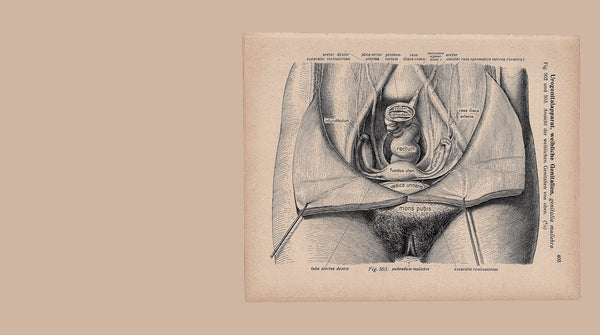
The urinary tract isn’t separate from the vagina, gut, or nervous system. They are all constantly communicating.
Your bladder lining is a living barrier that forms a protective shield, releases antimicrobial compounds, and sheds infected cells.
But it needs time to recover. When infections keep happening our protective barrier can become chronically inflamed, defenses drop, and bacteria that slip beneath the surface can persist inside bladder cells, where they're shielded from both your immune system and antibiotics.
This is why recurrent UTIs can feel like the same infection returning. Sometimes it is! Because the bladder never fully healed. We explain the difference between chronic and recurrent UTIs and why it changes what you ask your doctor for.

Stress May Shift the Vaginal & Gut Microbiome (Hidden Drivers of UTI Risk)
A healthy vaginal microbiome, dominated by Lactobacillus species, keeps pH acidic. Chronic stress can disrupt this balance by lowering vaginal glycogen, which is what Lactobacillus needs to survive.
As Lactobacillus declines, your vaginal pH rises, harmful bacteria grow more easily, and your UTI risk increases. The same shift raises the risk of bacterial vaginosis, which is often silent and closely tied to recurrent UTIs.
Most UTI-causing E. coli originate in the gut. Stress and its downstream effects on poor sleep, inflammation, and blood sugar changes can shift gut bacteria toward strains more likely to cause infection. Your bladder health starts in the gut, more than most people realize.

Stress, Hormones and UTIs: How Cortisol and Estrogen Loss Can Converge
Chronic stress doesn't only affect immune function. Sustained HPA axis activation also influences reproductive hormone signaling, which is where cortisol and estrogen start to overlap.
Estrogen supports several of the urinary tract's defenses at once. It maintains vaginal tissue, drives the glycogen production that sustains protective Lactobacillus, and reinforces the bladder's mucosal barrier.
When estrogen declines, those defenses weaken together. This is why UTI risk often rises postpartum, during perimenopause and menopause, and for some people in the days before menstruation.
The 2025 AUA guidelines recommend vaginal estrogen for many perimenopausal and postmenopausal women with recurrent UTIs, because restoring estrogen restores the tissue and microbial conditions it was maintaining.
Prolonged stress can compound changes already underway during a hormonal transition, acting on the same defenses through a different pathway.
The two rarely arrive separately. Perimenopause and a demanding year, or postpartum recovery and months of interrupted sleep, tend to overlap. This is why many people describe UTIs appearing in clusters rather than at random.
Evaluating stress and sex hormones in isolation misses the interaction. The body doesn't experience them separately.

How Do You Support Your Body Beyond Antibiotics?
Antibiotics remain an essential treatment for bacterial UTIs and should never be delayed when clinically indicated.
Reducing recurrence, though, often means supporting the terrain that allowed the infection to develop.
Part of that is mechanical. Before E. coli can establish an infection, it has to attach to the urinary tract lining. Cranberry A-type PACs and D-mannose both interfere with that step, on different timelines and different attachment pathways, which is why they work better together than either does alone. They can be taken daily, or timed ahead of known triggers such as sex. We cover the difference in D-mannose vs. cranberry PACs.
Part of it is structural. Vitamin D and zinc are nutrients the immune system draws on for mucosal defense and tissue repair, the work the bladder relies on to recover between exposures.
Good Kitty's UTI Biome Shield® combines all of these in one capsule: 38mg of BL-DMAC-verified A-type cranberry PACs, the amount used in clinical anti-adhesion research, alongside 500mg of D-mannose, vitamin D3 and zinc.
The rest depends on you: lifestyle changes, nervous system regulation, hormone therapy (HRT) where appropriate, and the daily habits that shape immune resilience. Cortisol support can be an important addition to an effective prevention strategy.

How Do You Find the Root Cause of Recurrent UTIs?
One of the frustrations many people experience with recurrent UTIs is that every episode is treated as an isolated event. Each infection gets its own prescription, and the question of why infections keep returning never gets asked.
A more useful question is : What made this body vulnerable in the first place?
A comprehensive assessment looks at:
- Stress physiology and cortisol patterns
- Hormonal health
- Nutrient status
- Sleep
- Inflammation
- Digestive function
- Microbiome health
- Lifestyle factors that influence immune resilience
The goal is to identify the patterns underneath the episodes, not just manage them one at a time. Prevention works best when it does all three things:
Treat infections promptly. Block bacterial adhesion. Rebuild the environment that protects your urinary tract.
The best prevention strategy does it all. Visit Dr. Thara Vayali and the team at HeyFreya to see how you can test and treat stress-related cortisol imbalance.

This article is for educational purposes and is not medical advice. UTI Biome Shield is a dietary supplement. It is not intended to diagnose, treat, cure, or prevent any disease. If you have symptoms of a urinary tract infection, contact a healthcare provider.
FAQ
Frequently Asked Questions
Can stress alone give me a UTI?
No. A UTI requires bacteria. Stress influences how well your immune system clears those bacteria and how quickly the bladder lining recovers, which affects your likelihood of infection and recurrence.
Why do my UTIs cluster during hard periods in my life?
Chronic stress reduces immune surveillance and mucosal immunity, disrupts sleep, and is associated with a less protective vaginal microbiome. Those effects overlap, which is why the pattern feels so consistent. Travel, postpartum recovery, and hormonal transitions often stack on top of stress, which is part of why UTIs show up on vacation.
Does high cortisol show up on a test?
Sometimes, but a single cortisol reading rarely tells the story. Patterns across the day, and how responsive your tissues are to cortisol, matter more than one number. This is worth discussing with a clinician who works with stress physiology.
Can stress cause UTI symptoms without an infection?
It can make bladder symptoms worse. Stress can heighten urgency, frequency, and pelvic pain, and chronic pelvic floor tension can mimic the burning and pressure of a UTI. If your cultures keep coming back negative, ask your clinician about other causes, including urethral irritation and overactive bladder.
Will managing stress cure my recurrent UTIs?
It is one meaningful input, not a cure. Most people need a combination of appropriate medical treatment, hormonal assessment where relevant, microbiome support, and anti-adhesion strategies.
Can I take a supplement while I'm on antibiotics?
Ask your prescriber. Anti-adhesion ingredients work by a different mechanism than antibiotics, but timing and interactions should be reviewed by whoever is treating you.
Is this only relevant during menopause?
No. Hormonal transitions make it more visible, but stress physiology affects urinary tract resilience at any age, including postpartum and during long stretches of poor sleep. For the hormonal side, see perimenopause and UTIs.